The Neighbourhood Top-Up: What Renting Out Your Home Charger Really Pays in 2026

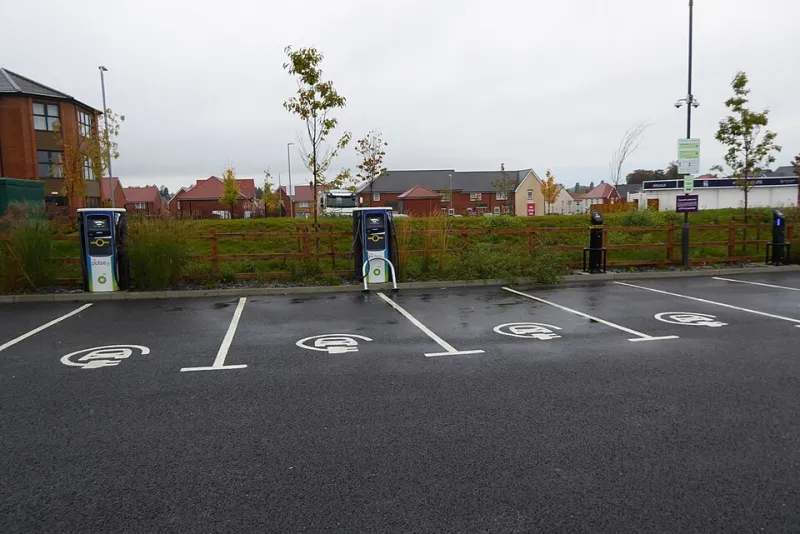
Photo: Alexander Migl, CC BY-SA 4.0, via Wikimedia Commons
Peer-to-peer charging apps have spent the past few years trying to turn the UK's driveways into a loose network of tiny filling stations. The pitch is simple: you have a charger, someone nearby needs one, an app handles the booking and payment, and you pocket the difference. In 2026, with more EVs on the road and public charging still patchy in places, it is easy to see the appeal.
But a home charger is not a vending machine. The money is modest, the admin is real, and the risks sit in the gaps between your electricity bill, your insurance policy and your neighbour's expectations. Here is what the maths actually looks like for a typical UK household.
How the sharing apps actually work
Most platforms let you list your charger with a price per kWh, a set of available hours and any access notes. Drivers book through the app, plug in, and the platform takes payment. You get paid after the platform takes its cut. Some services lean on smart-charging hardware to authorise sessions; others rely on the guest using the right cable and the host trusting the booking.
The important bit is that you are not selling electricity in the same way as a shop sells cans of cola. You are offering access to your equipment and your driveway, often during evenings and weekends. That changes the economics, the insurance question and the neighbourly etiquette.
The earnings maths: small numbers, not a second income
Take a fairly optimistic but not fantasy scenario. A guest pays 45p per kWh. Your home electricity costs 24p per kWh on a standard variable tariff. You host two sessions a week, each adding 20 kWh.
That is 40 kWh a week. Gross takings come to £18 a week, or £936 over a year. Your electricity cost is £9.60 a week, or about £499 a year. If the platform takes 15% of the gross, that is another £2.70 a week, or £140 a year. Net before tax, insurance and any equipment wear: roughly £297 a year.
Double the volume to four sessions a week at 30 kWh each and the picture improves. Gross takings reach £2,808 a year. Electricity at 24p costs about £1,498. A 15% platform fee takes £421. Net before other costs is around £889.
That is better, but it is still not life-changing money. And those figures assume steady demand, sensible pricing and guests who turn up when they say they will. A charger used mainly by your own car in the evening has a narrow window for sharing.
What comes off the top
Platform fees are the obvious deduction, usually somewhere in the 10% to 20% range. Then there is the electricity itself. If you are on a cheap overnight tariff, your own charging may cost 7p to 10p per kWh, but guests are unlikely to arrive only at 2am. Many bookings will land in the evening peak, so use a realistic daytime or standard rate in your sums rather than your best overnight figure.
Tax is the next question. Small-scale sharing income may fall within the £1,000 trading allowance, but that allowance is not a magic exemption for everyone, and it cannot be used on top of certain other reliefs. If the money becomes regular, keep records of bookings, fees and electricity used. A quick chat with an accountant is cheaper than unpicking a muddle later.
Then there is insurance. Standard home policies often exclude business use, letting or hire. The platform may offer public liability cover, but that does not automatically protect your property, your charger or your guest's cable. Check your policy before you list, not after a guest trips over a hose reel.
If you rent your home or own a leasehold flat, read the tenancy agreement or lease. Subletting a parking space or sharing a charger can breach the terms. Permission is better than a awkward letter from the freeholder.
Wear, tear and the small print
A decent 7kW home charger is a fairly robust box. Extra sessions add contactor cycles and general wear, but the charger itself is rarely the first thing to fail. The more likely casualties are the cable, the holster, the app connection and your patience. Guests may arrive with a cable that is too short, a car that refuses to handshake, or an app that has forgotten their payment card.
Set out the basics before the first booking: where to park, which side of the drive to use, how to start and stop a session, and what to do if something trips. A short message with photos of the charger and the cable route saves a lot of standing about in the rain.
The etiquette bit
Sharing a driveway is a small social experiment. Guests should not block your car, ring the doorbell at all hours, or treat the place like a motorway services. You should not cancel at short notice because you fancy a top-up, or leave a cable trailing across the pavement.
Good rules are boring and effective. Keep bookings to agreed hours. Ask guests to report faults rather than force a connector. Do not expect them to become friends, and do not let them use your loo, bin or outside tap unless you have offered. A charger is not a café.
The verdict
For a typical UK household with one EV and a charger that is already busy overnight, renting out the driveway is unlikely to pay for much more than a few tanks of electrons a year. The realistic net figure is often £300 to £900, and that is before you put a value on your time.
It makes more sense if you have a second charger, a long empty driveway, or genuine local demand from visitors, hotels or flats without off-street parking. It makes less sense if you hate admin, worry about strangers on your property, or have a lease and an insurer who both need convincing.
So: not a dividend, more of a neighbourhood top-up. Worth trying on a limited basis if the setup already exists and the demand is there. Not worth the faff if you are hoping it will cover the car's monthly payment.