The Ornament on the Drive: When a Home EV Charger Stops Adding Up
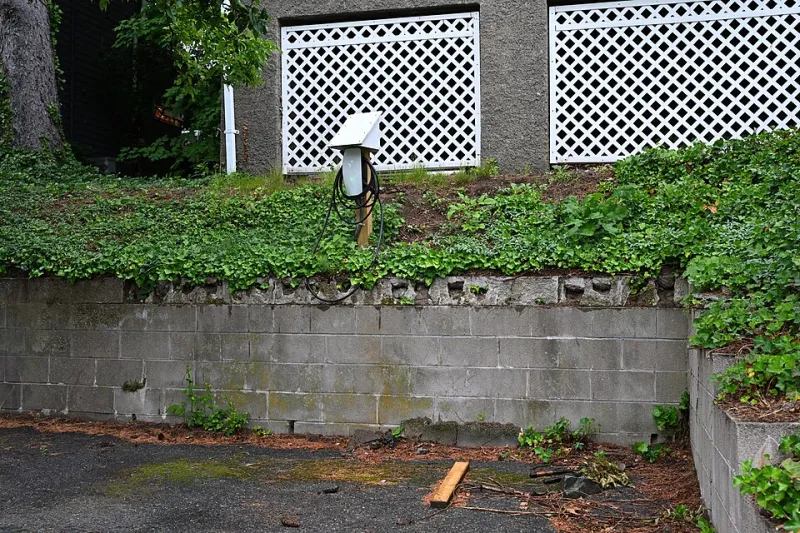
Photo: 4300streetcar, CC BY 4.0, via Wikimedia Commons
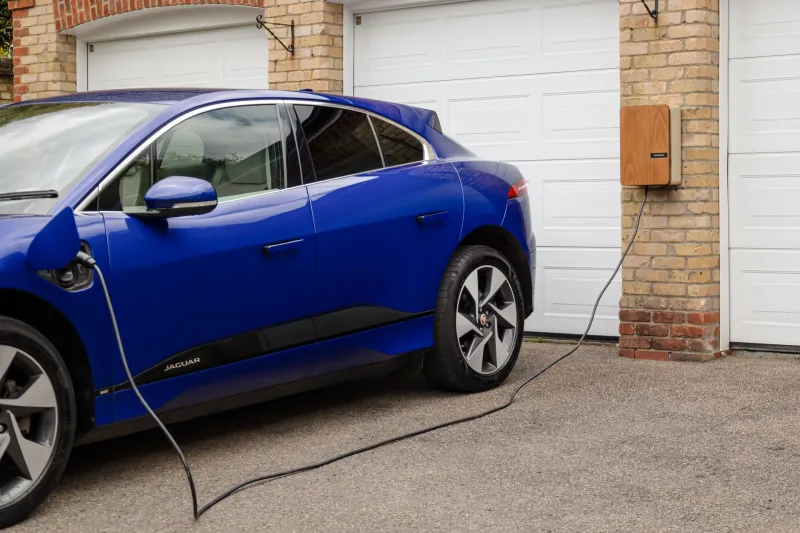
There is a particular moment in EV ownership when the quote lands. The electrician has looked at the consumer unit, sucked their teeth, and said something like: 'That'll be £1,150, plus the charger.' If you are doing 12,000 miles a year, that number usually disappears into the fuel savings within a couple of years. If you are doing 2,000 miles a year, it can sit on the drive like a very tidy ornament.
This is not an argument against home charging. A wallbox is still the most convenient way to own an EV, and on a decent overnight tariff it is usually the cheapest. But 'usually' is doing a lot of work in that sentence. For low-mileage drivers, the maths gets thinner than the sales pitch suggests.
The assumptions behind the sums
To keep this honest, I have used a fairly typical 2026 UK set-up. The car does 3.5 miles per kWh. A smart wallbox uses 90% off-peak electricity at 9p per kWh and 10% at 26p, with 8% charging losses — call it 11.6p per kWh, or roughly 3.3p per mile. A granny cable on standard-rate electricity is about 29p per kWh after losses, or 8.3p per mile. Public charging is a mix of slow and rapid posts at an average 60p per kWh, or 17.1p per mile. Workplace charging is assumed at 25p per kWh, or 7.1p per mile.
The wallbox install is £1,200, spread over five years. That is £240 a year before interest, grants or resale value. It is not the absolute cheapest quote you will find, but it is not a fantasy either once you allow for a longer cable run or a bit of consumer-unit tidying. No grant is assumed, because plenty of homeowners will not qualify for one.
Scenario one: the weekend shopper, 2,500 miles a year
This driver uses the car for shopping, school runs and the occasional trip to the coast. Without a wallbox, 70% of their charging is public and 30% is a granny cable at home. That comes to about £364 a year: £299 on public charging and £65 on the granny cable.
With a wallbox, all 2,500 miles go through the off-peak tariff. Energy costs fall to about £73 a year, but once the £240 annualised install cost is added, the total is £313. The saving is £51 a year. Over five years, the wallbox is ahead by around £255 — but that is before anyone values their time, and it assumes the public charging mix stays at 60p per kWh.
That is not nothing. It is also not the slam-dunk that home-charger marketing tends to imply. If this driver has free or cheap workplace charging, the wallbox case weakens further.
Scenario two: the regular commuter, 4,500 miles a year
Here the car does a short commute, school drop-offs and a few longer weekends. Without a wallbox, the mix is 2,500 miles on public charging, 1,000 at work and 1,000 on the granny cable. Annual cost: around £585.
With the wallbox, energy drops to about £131 a year. Add the £240 annualised install and the total is £371. The saving is roughly £214 a year, or just over £1,000 across five years. Now the box is starting to look like a sensible bit of kit rather than a lifestyle accessory.
This is the band where most low-mileage EV drivers actually sit. They are not high-mileage rep drivers, but they are not nearly-car-free either. A wallbox usually earns its keep here, especially if the alternative is wrestling with a granny cable in the rain.
Scenario three: the nearly car-free household, 1,200 miles a year
This is the tricky one. The EV is a second car, or a household runabout that mostly sits on the drive. Without a wallbox, 800 miles go on public charging and 400 on workplace top-ups. Annual cost: about £165.
With the wallbox, energy is only £35 a year. But add the £240 install figure and the total is £275. The wallbox now costs about £110 a year more than the no-wallbox life. Over five years, that is £550 spent for the privilege of plugging in at home.
Could convenience justify it? Possibly. If you value never hunting for a public charger, or you plan to keep the car for a decade, the sums shift. But as a straight financial case, at 1,200 miles a year the wallbox is not paying its way. It is a convenience purchase.
Where the break-even actually sits
Against public charging alone, the wallbox breaks even at roughly 1,700 miles a year. That sounds impressively low, but most drivers do not use public charging alone. Once you mix in a granny cable or workplace charging, the bar rises.
Against a granny cable on standard-rate electricity, the wallbox needs around 4,200 miles a year to recover its install cost over five years. Against a realistic public-and-workplace mix, the break-even tends to land somewhere between 2,000 and 2,400 miles a year. Below that, you are buying convenience, not saving money.
The five-year horizon matters. Stretch the install over ten years and the break-even mileage roughly halves. But ten years is a long time in EV hardware, and it assumes the charger, the app and the car's onboard equipment all behave. A five-year view is a more honest default for most buyers.
What would change the maths
A few things can move the break-even point in either direction. Free workplace charging makes the wallbox less valuable financially. A cheap overnight tariff makes it more valuable. Solar panels and a home battery can blur the picture further, though the capital cost is doing a lot of heavy lifting there.
It also matters what you are replacing. If your alternative is a 60p-per-kWh rapid charger every week, the wallbox looks better. If your alternative is a 13A socket and a short commute, it looks worse. The trick is to use your own mileage and your own charging mix, not the average from a brochure.
The practical verdict
A home charger is not automatically a green investment just because it is a home charger. At 4,500 miles a year, it usually makes sense. At 2,500 miles, it is marginal. At 1,200 miles, it is often an ornament with a glowing LED.
None of that makes it a bad product. It makes it a product that needs a quick sum before the electrician arrives. If you are doing fewer than 6,000 miles a year, write down your annual mileage, your realistic public charging price and whether you have cheap workplace top-ups. If the wallbox clears its install cost over five years, fit it. If it does not, buy a decent granny cable, keep the public charging apps handy and spend the difference on something that actually moves the car.