The Garage Down the Road: Sorting EV Jobs Your Mechanic Can Actually Take On
EV servicing has picked up a reputation for being either terrifyingly specialist or suspiciously simple. The truth sits somewhere in the middle. A good independent garage can handle plenty of the work your electric car needs, often at a lower hourly rate than a franchised dealer. But there are still jobs where enthusiasm needs to meet a very firm ‘no thanks’.
The routine stuff is still routine
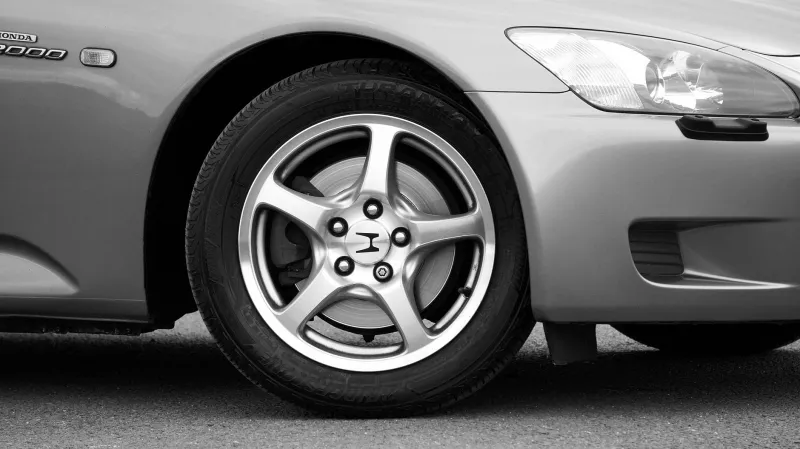
Strip away the battery and motor and an EV is still a car. It has tyres, brakes, suspension, wheel bearings, cabin filters, wipers, air conditioning and a 12V battery. Most of that is familiar territory for any competent workshop.
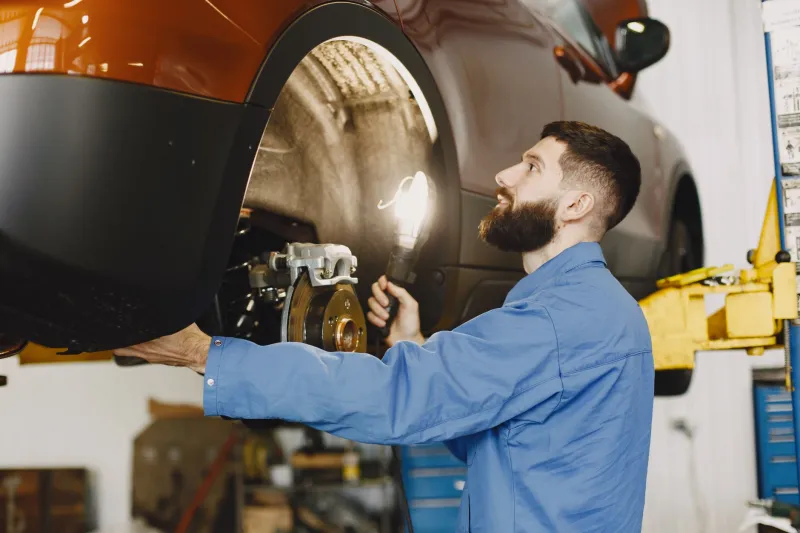
Brakes are a useful example. Regenerative braking means the friction pads often last longer than they would on a petrol car, but they can also seize or corrode through lack of use. An independent garage can inspect, clean and replace them. Tyres, alignment, dampers and bushes are similarly fair game. So are MOT tests—any approved test station can carry out the inspection, though the tester will not be pulling apart high-voltage components.
A decent independent should also be able to read fault codes from non-high-voltage systems with a good scan tool. That might cover body control modules, infotainment glitches, climate control or charging flap issues. What it will not necessarily cover is deep factory-level software work.
Where the high-voltage line sits
The orange cables are not a warning sticker to ignore. Anything involving the traction battery pack, high-voltage cabling, inverter, motor, on-board charger or thermal management system needs proper training, insulated tools, isolation procedures and insurance. That is not a job for a garage that ‘has a go’.
Software is the other big dividing line. Manufacturers increasingly guard access to diagnostic platforms and update systems. Even an independent with the right intentions may not be able to apply a recall-related software fix or calibrate an advanced driver assistance system properly. If a job needs manufacturer-level access, a main dealer is usually the sensible route.
That does not mean the independent is useless. It means the work should be split sensibly. Routine mechanical care locally; complex electronic or high-voltage interventions where the right equipment lives.
The warranty question, without the scare stories
A lot of drivers still believe that taking an electric car to an independent garage automatically voids the warranty. In the UK, that is not the whole picture. Block exemption rules mean you can generally use an independent workshop without invalidating the manufacturer’s warranty, provided the service is done to the maker’s schedule, suitable parts are used and you have a proper VAT invoice and records.
Extended warranties can have their own conditions, so read the small print. And if a repair is being done as part of a warranty claim, the manufacturer may insist on its own dealer network. Keep every receipt, note the mileage and use the correct service items. A tidy folder of paperwork is boring, but it is powerful if a claim is ever questioned.
What the cost gap actually looks like
Dealer labour rates in parts of the UK can easily run from £100 to £180 an hour, while independent rates often sit nearer £50 to £90. On a simple EV service—often little more than a inspection, filter change and brake check—the difference may be modest because the job itself is short. The bigger savings tend to appear on consumables and mechanical repairs: brakes, tyres, suspension arms and air-conditioning work.
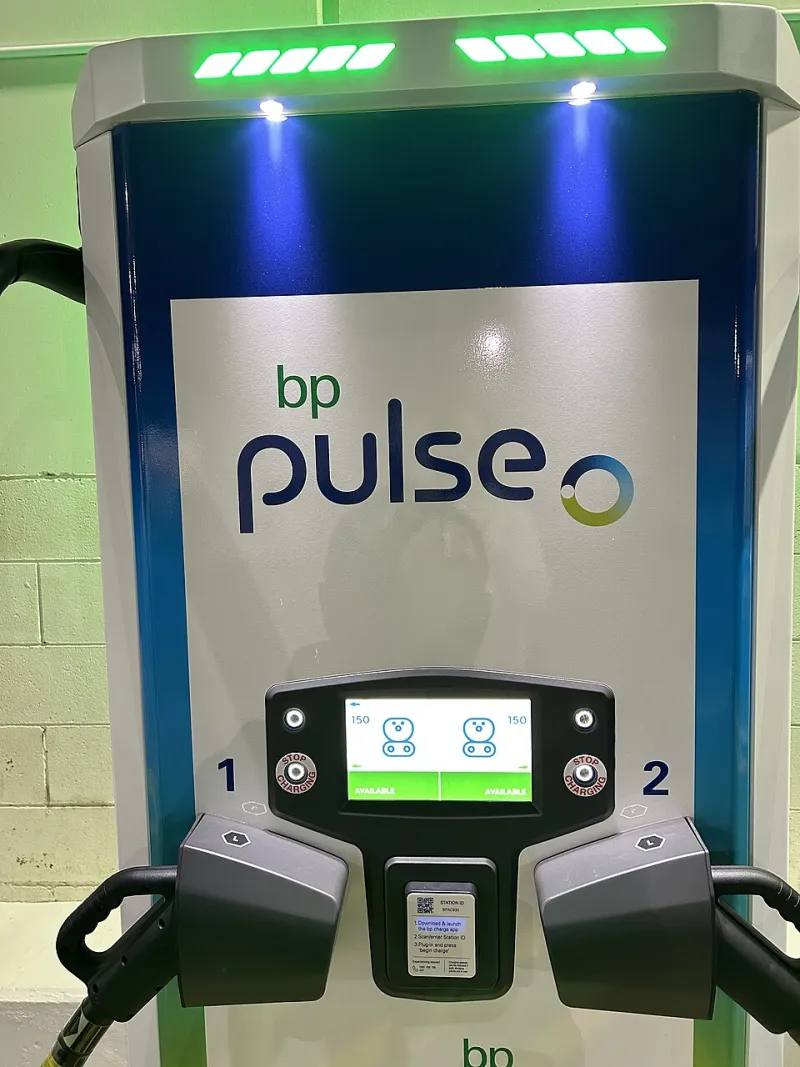
That said, do not bargain-hunt on high-voltage repairs. A cheap quote for battery work is not a bargain if the workshop lacks the kit or the insurance. Ask what is included, what parts are being used and whether the work affects any remaining warranty.
A quick vetting checklist
Before booking, ask a few direct questions. Has the workshop had EV-specific training, such as recognised IMI qualifications? Does it have high-voltage isolation equipment and appropriate insurance? Can it access the diagnostic software needed for your model? Will it use original-equipment or equivalent-quality parts? Does it understand the warranty rules and provide a written quote?
A good garage will answer those without bristling. A vague one will change the subject. It is also worth asking whether it can safely park and charge an EV on site, and whether it has experience with your particular model. Enthusiasm is nice; evidence is better.
The sensible split
For many drivers, the workable arrangement is a local independent for tyres, brakes, suspension, air conditioning, filters and general inspections, plus a franchised dealer for software updates, recalls, high-voltage diagnostics and anything that needs factory equipment. That is not a loyalty contest. It is just matching the job to the toolkit.
Your EV is not a mysterious black box, but it is not a 1990s hatchback either. Find a workshop that knows the difference, keep your paperwork straight and ask questions before the car is on the ramp. Your wallet will usually thank you—and your warranty might too.