The Caravan Clause: What EV Towing Really Costs in 2026
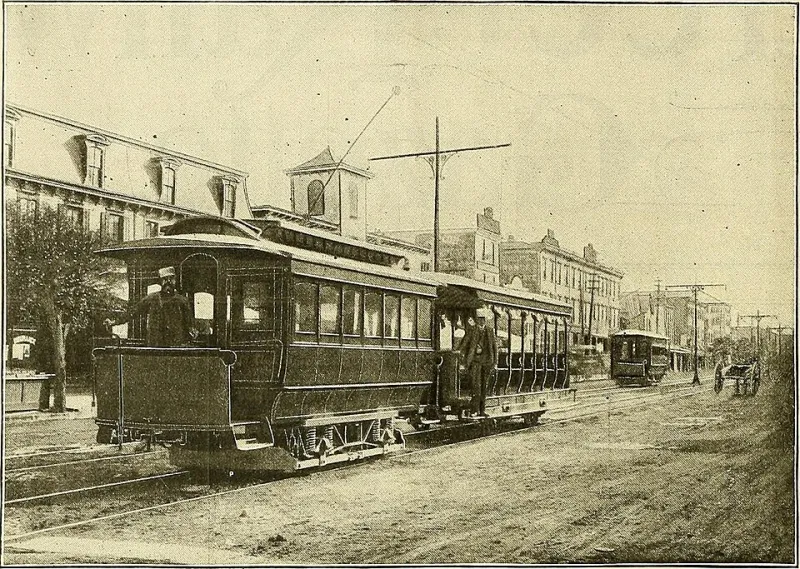
Photo: Internet Archive Book Images, No restrictions, via Wikimedia Commons
Caravanning and electric cars are no longer a novelty act. Plenty of UK families now tow with an EV, and the 2026 towbar options are broader than they were a few years ago. But the gap between a solo electric car and a hitched one is wide enough to redraw a holiday budget. The brochure range is not the towing range, the charging stop is not always caravan-friendly, and the cost comparison with a diesel estate is closer than many EV owners expect.
The brochure figure that doesn’t survive the hitch
Official WLTP range is measured without a trailer, at modest speeds, in mild weather. There is no official towing range figure to compare against, which is why manufacturer claims and real-world caravan trips can feel like different sports. A car that returns 3.5 miles per kWh solo will often drop to 1.6–2.0 miles per kWh with a tall caravan behind it. The frontal area matters as much as the weight. A 1,300kg caravan with the aerodynamics of a garden shed will hurt range more than a lower, lighter trailer.
Take a typical 75kWh usable battery. At 1.8 miles per kWh, full-to-empty is about 135 miles. Treat 100–110 miles as a sensible working interval, because you do not want to arrive at a charger on fumes with a caravan on the back. At 60mph into a headwind, 1.4 miles per kWh is possible. At 50mph, 1.9 miles per kWh starts to look realistic. That is the strange maths of towing: slowing down can add more range than a bigger battery.
Plates, percentages and the licence trap
Start with the car’s VIN plate, not the handbook’s best-case headline. You need the braked towing limit, the gross train weight and the noseweight limit. The caravan’s MTPLM should sit within the car’s towing limit, and the whole outfit should stay inside the gross train weight. The old 85% guidance — keeping the caravan’s MTPLM below 85% of the car’s kerb weight — is not law, but it is still a sensible starting point for inexperienced towers.
Licence rules catch people out too. Category B and B+E entitlements depend on when you passed your test and the plated weights of the combination. The 2021 rule change made some B-only towing combinations easier, but it did not make every large caravan outfit automatically legal. Check GOV.UK and your licence before you buy. Towing speed limits also apply: generally 50mph on single carriageways and 60mph on dual carriageways and motorways, unless a lower limit is signed. If the outfit is outside your entitlement, your insurance can become a very expensive conversation.
Charging with a bedroom behind you
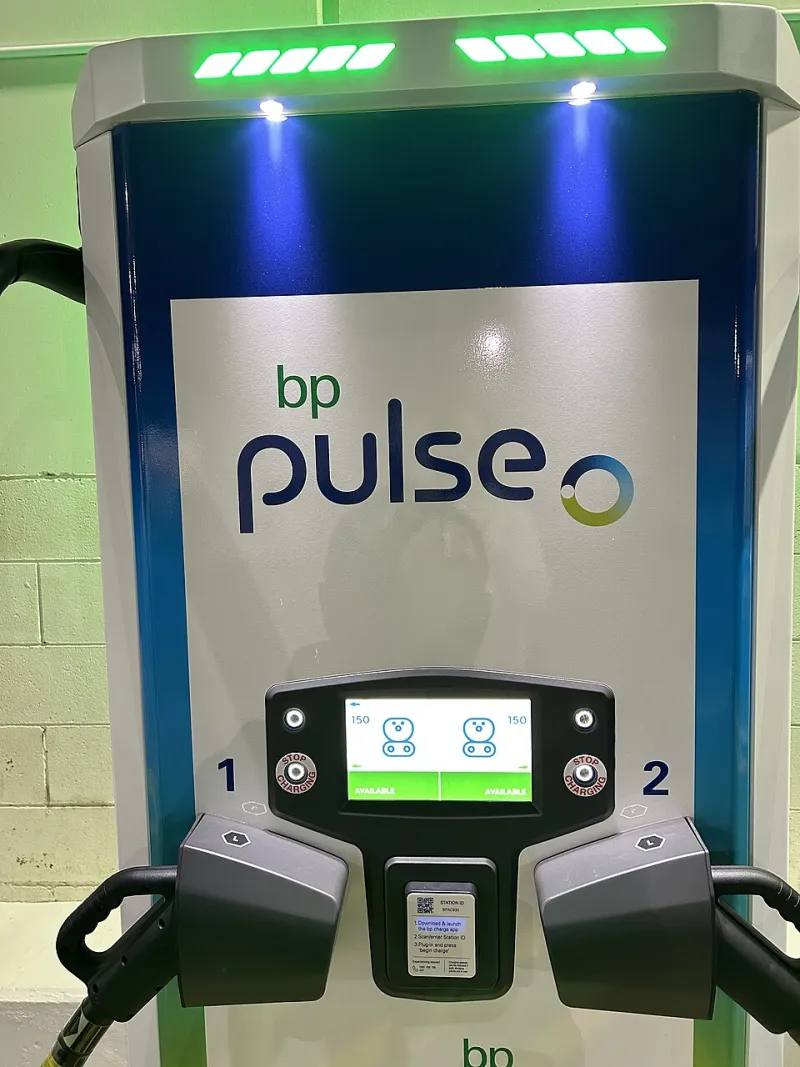
Most rapid charging bays were designed for solo cars. With a seven-metre caravan attached, you can block a site without meaning to. Some newer hubs have pull-through bays, but they are still rare. The practical answer is often to unhitch at services, charge the car, then hitch up again. That adds time, and it is why a trip that needs one diesel fill can need two or three EV charging stops.
Caravan site electric hook-ups are usually not intended for charging the car. Some sites allow it with a metered connection; many forbid it. Ask before you book. Apps and charger maps are useful, but filter for sites with space, not just kilowatts. A 150kW charger in a tight retail car park is less useful than a 50kW charger with a clear exit and a burger van.
The 560-mile Cornish budget
Imagine a 560-mile towing round trip from the Midlands to Cornwall. The EV uses about 311kWh at 1.8 miles per kWh. If 70kWh comes from home at 26p and the rest from public rapid chargers at 79p, the fuel cost is roughly £18 plus £190 — about £208. If a friendly site supplies 100kWh at 35p and you use less public charging, that can fall to around £165. A petrol car at 28mpg and £1.45 per litre costs about £132. A diesel at 35mpg and £1.55 per litre costs about £113.
That puts public-heavy EV towing at roughly 37p per mile, versus 24p for petrol and 20p for diesel. Charge mostly at home and at a permissive site and the EV can land near petrol, but it will not beat diesel on a long tow in 2026. The EV still wins on quietness, smooth pull-away and the absence of diesel fumes on site. It does not automatically win on holiday money.
The verdict
EV towing works best for shorter trips, owners with off-street charging and drivers who are happy to plan stops rather than improvise. For a long, high-mileage caravan tour, a diesel still makes a strong financial case. If you tow once a year, renting a suitable diesel for that trip may be cheaper than specifying a towbar and accepting the range hit. If you tow often, an EV can be a lovely thing to live with — just budget for the caravan clause, not the brochure figure.