Cheap at 2am, Costly by 7pm: Is the Overnight EV Tariff Really Saving You Money?
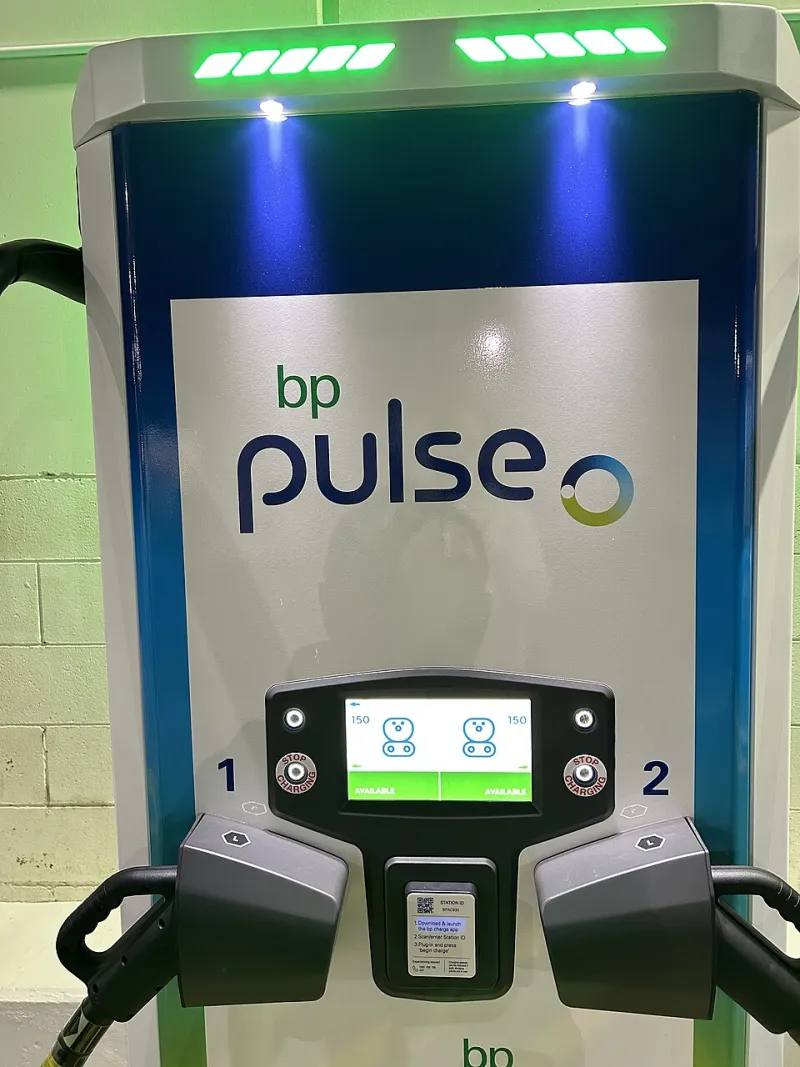
Photo: Chuq, CC BY-SA 4.0, via Wikimedia Commons
An overnight EV tariff looks like one of the easiest wins in motoring. Plug in, sleep, wake up to a car full of electricity at something like 8p a kilowatt-hour, and watch the fuel bills tumble. Except the cheap hours are only half the story. The peak rate, the standing charge and whatever happens to your solar export are where the money quietly creeps back out again.
We've put three very different UK households through the same exercise. Roughly the same car, the same 7.4kW wallbox, the same grid. Three different answers.
Why the headline rate misleads
The number plastered across comparison sites is the off-peak unit rate, and it's genuinely low — think 7p to 9p on the better-known time-of-use deals. What you actually pay is a blend of that rate, a peak rate that typically sits at 28p to 32p, and a standing charge that often runs 5p to 10p a day higher than a plain variable deal.
The cheap window is usually five hours, something like 00:30 to 05:30. At 7.4kW that's roughly 37kWh of headroom — comfortably more than most drivers need in a night. The bottleneck isn't the charger. It's how much of the rest of your household can realistically be shoved into that window. Washing machine, dishwasher, tumble dryer, immersion heater, heat pump: move them and the tariff sings. Leave them in the evening and you're buying peak-rate power at a premium.
On top of that, a higher standing charge is a fixed annual cost you have to clear before the cheap rate does anything for you. An extra 8p a day is about £29 a year. Not huge, but it's the first hurdle.
Household one: 14,000 miles and a driveway
This is the case the marketing is built on. A high-mileage commuter doing 14,000 miles a year at around 3.5 miles per kWh needs roughly 4,000kWh for the car. Add 2,800kWh of household use, with about 400kWh of it shifted into the small hours.
- Off-peak: 4,400kWh at 8.5p = £374
- Peak: 2,400kWh at 30p = £720
- Standing charge: 65p a day = £237
- Total: £1,331
A standard variable deal at 24.5p for all 6,800kWh comes to £1,666, plus £219 of standing charge at 60p a day. Total £1,885.
That's a saving of about £550. It's real, and it's the reason these tariffs exist. But note the conditions: big mileage, a car that's home every night, and enough discipline to keep the heavy appliances out of the evening.
Household two: 4,500 miles, mostly local
Same tariff, same charger, much smaller appetite. A second car or a retired driver doing 4,500 miles a year at 3.8 miles per kWh needs about 1,200kWh. Household demand is 2,600kWh, and all the car charging moves into the window.
- Off-peak: 1,200kWh at 8.5p = £102
- Peak: 2,600kWh at 30p = £780
- Standing charge: 65p a day = £237
- Total: £1,119
Standard variable: 3,800kWh at 24.5p = £931, plus £219 standing charge. Total £1,150.
A saving of £31 a year. Less than a decent Sunday lunch, and it doesn't survive a small change in the numbers. Nudge the peak rate to 32p and the standard deal wins by roughly £20. Add a £50 exit fee for leaving the tariff early and you're two years away from breaking even — on a saving that might have evaporated by then anyway.
Household three: solar on the roof
This is where the picture gets genuinely awkward. A household with 3,800kWh of solar generation, 1,500kWh self-consumed and 2,300kWh exported, running a car that needs 1,250kWh and a home that needs 2,700kWh.
On a standard variable deal with a decent Smart Export Guarantee rate of 15p:
- Import: 2,450kWh at 24.5p = £600
- Standing charge: £219
- Export credit: 2,300kWh at 15p = £345
- Net cost: £474
On an overnight EV tariff, with export dropping to 5p — which is what several of the bundled offers pay:
- Night import: 1,250kWh at 8.5p = £106
- Daytime import: 1,200kWh at 30p = £360
- Standing charge: £237
- Export credit: 2,300kWh at 5p = £115
- Net cost: £588
The EV tariff is about £114 worse off. The peak rate stings, but the export rate is the real damage. A 10p gap on 2,300kWh is £230 a year, and that alone wipes out the cheap charging. A home battery changes the maths — if you can fill it overnight and lean on it through the evening, the balance tips back. Without one, check the export rate before you check the off-peak rate.
What to check before you switch
- Build your own annual figures. Home kWh and car kWh, then split the total into what can realistically sit inside a five-hour window.
- Check whether the cheap rate applies to the whole house or only to a registered charger. Some deals are narrower than they look.
- Compare the standing charge, not just the unit rate. It's a fixed annual bill you can't dodge.
- If you export solar, find the paired export rate. It's often buried a few clicks down the page.
- Look at the exit fee before you sign a 12-month fix. £50 to £60 is common and wipes out a marginal saving.
- Be honest about your 4pm to 7pm. If that's when the oven, the washing machine and the immersion all fire up, you're paying the premium without the discount.
The verdict
Time-of-use tariffs aren't a con, but they're not a universal win either. They reward high mileage, flexible load and a home that's empty of heavy appliances during peak hours. If that's you, the saving is substantial and worth the faff.
If your annual mileage is modest and your evenings are busy, a plain variable or fixed deal can quietly beat the clever one. Not by a lot — often by less than £50 — but beating it is beating it, and there's something to be said for not having to think about what time you run the dishwasher.
We're not your supplier and we don't know your meter readings. Do the sums with your own annual consumption before you switch, and don't let a 2am headline rate distract you from the other 19 hours of the day.