The Handback Audit: Returning a Leased EV Without a Surprise Bill
Leasing an EV is sold as certainty: one monthly payment, servicing often included, no residual-value worries. The uncertainty tends to arrive later, as a PDF with photos of your old car and a figure at the bottom. That final invoice is not a random event. Most end-of-lease disputes come down to a handful of predictable things: kerbed alloys, tyres, missing cables, excess miles and a vague idea of what fair wear means. Treat the last few months as a handback audit and you can shrink the surprise.
Fair wear is not a feeling — it is a standard
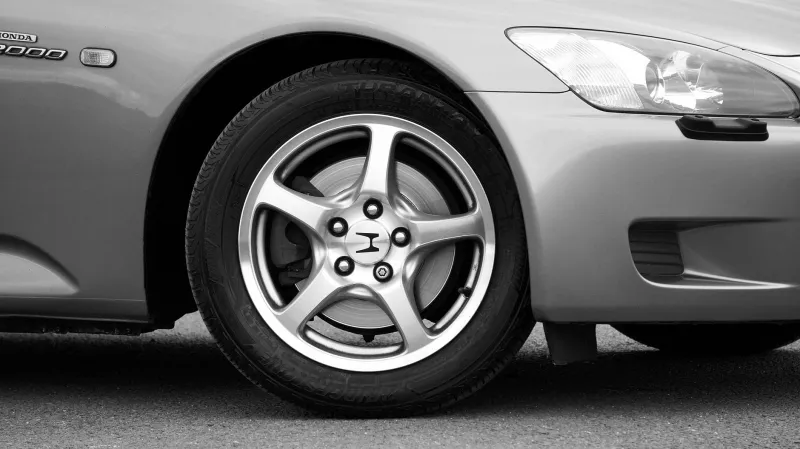
Most UK lease funders use the BVRLA Fair Wear and Tear Guide as their benchmark. It separates cosmetic ageing from damage. Light stone chips, minor scratches, modest seat wear and the odd small mark are usually accepted. A dent, a deep scratch through the paint, a cracked lamp, a torn seat or a wheel with serious kerb damage is generally chargeable. The key word is generally. Your contract is the final word, so read the return section before you start polishing.
The trap is assuming the inspector will see it your way. They work to a checklist, not your commute. Photograph everything in daylight and keep a copy.
EV-specific: battery health, cables and software
Battery state of health gets a lot of airtime, but it is rarely a simple pass-or-fail charge at handback. Most agreements focus on unresolved faults, warning lights and whether the car charges as it should. An inspector may record state of health, but a lower figure is not automatically a bill unless the contract says so or there is evidence of misuse. Keep service records and report charging faults early. A fault fixed under warranty before return is much cheaper than a dispute after.
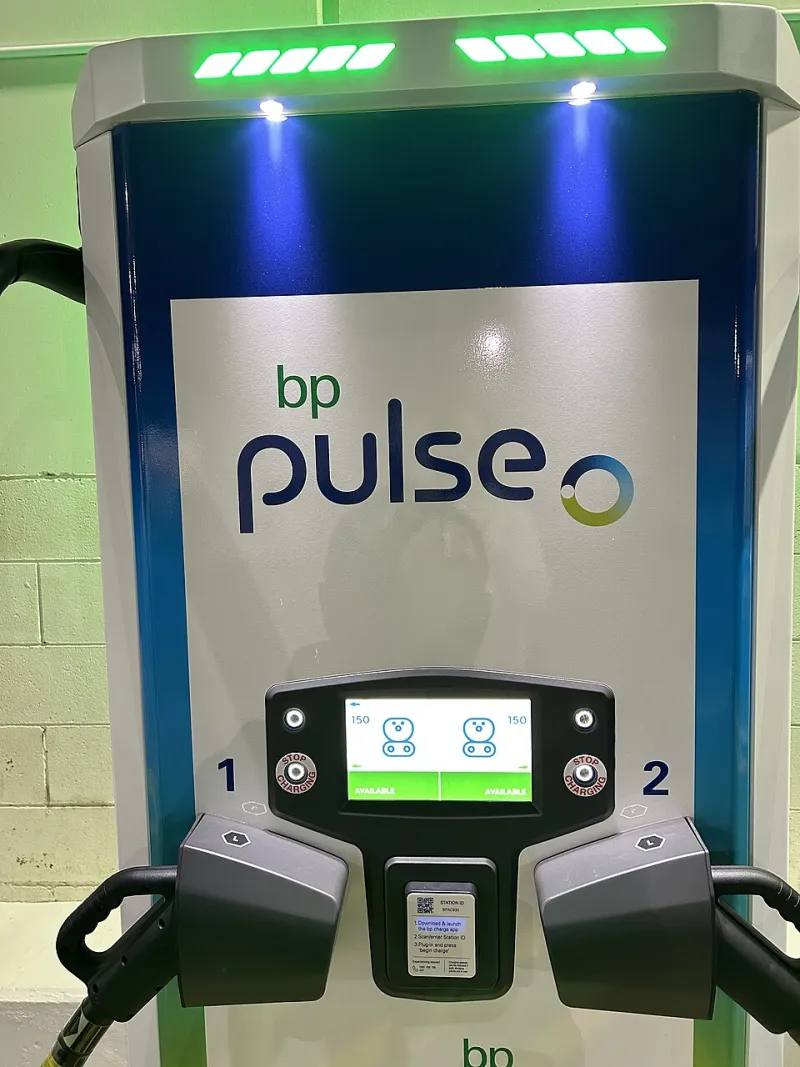
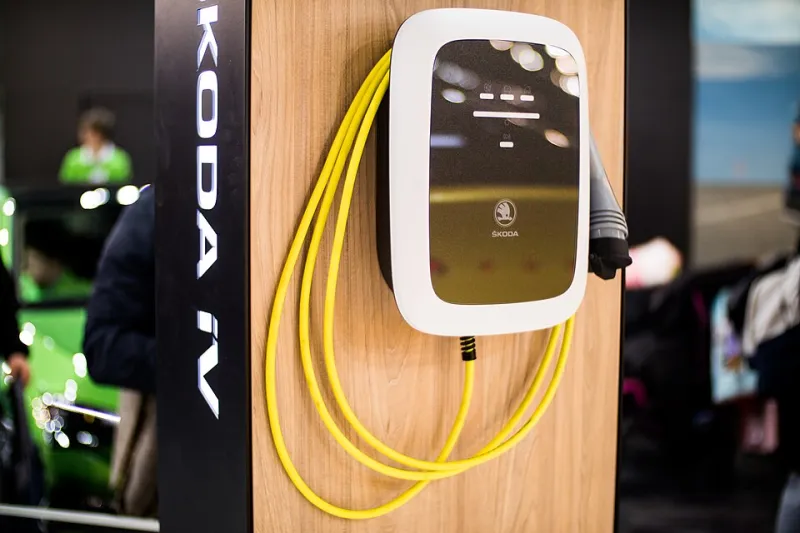
Cables and keys are where EV handbacks get expensive. Check exactly what came with the car: the home charging cable, any public charging cable, both keys, the service book or digital pack. A missing cable can mean a replacement charge in the low hundreds; a second key can be dearer still. If your deal included a home wallbox, read the paperwork before removing it. Usually the wallbox is separate from the car lease, but not always.
The three-month runway
Start about 12 weeks out. Book a pre-return inspection if your funder offers one, or pay an independent inspector. This is not about hiding faults; it is about getting a written baseline before the car leaves your control. Then decide what to fix. A smart repair for a small dent can be cheaper than the funder's recharge. A kerbed alloy refurbishment might cost less than the end-of-lease price. But do not gold-plate a car you are handing back. Compare quotes against the likely charge.
Also check mileage. Excess mileage is usually charged per mile at the rate in your contract, and it can dwarf cosmetic charges. If you are close to the limit, do not assume the final figure will be rounded in your favour.
What the common charges look like
These are illustrative ranges, not quotes: a kerbed alloy, £60-£120 per wheel; a deep scratch on a panel, £150-£300; a small dent, £200-£400; a missing charging cable, £150-£350; a tyre below the contract's minimum tread, £80-£200 per tyre; excess mileage, often 6p-15p per mile depending on the deal; heavy interior cleaning, £50-£100. The pattern matters more than the exact numbers: small cosmetic items add up, and missing equipment is easy to overlook.
Tyres deserve a special mention. Check tread depth across the whole tyre, not just the centre, and check that the brands and sizes match the contract. Mismatched or budget tyres can be flagged even if they are legal.
The handback checklist
- Read the return standards and mileage terms in your contract.
- Photograph all body panels, wheels, tyres, interior, odometer and charging port in daylight.
- Record a video walkaround and keep it timestamped.
- Gather service records, repair invoices, both keys and every charging cable.
- Export your charging app history and unlink personal accounts before handover.
- Clean the car properly, but do not hide faults.
- Return it with a sensible charge level and no warning lights, if possible.
- Get the inspection report and itemised bill in writing.
If the bill lands
Do not pay immediately if something looks wrong. Ask for the inspection report, photos and a line-by-line breakdown. Compare each item with the BVRLA standard and your contract. Raise a formal complaint with the funder if needed, and keep everything in writing. The BVRLA has a conciliation service for disputes involving members. A calm, documented challenge is far more effective than an angry email.
The handback is not a gamble if you treat it like an audit. Know the standard, document the car, fix only what makes financial sense, and keep the paperwork. The best end-of-lease bill is the one you saw coming — and reduced before the keys left your hand.