The Wallbox Handover: Selling Your Home Without Letting the Charger Become a Problem
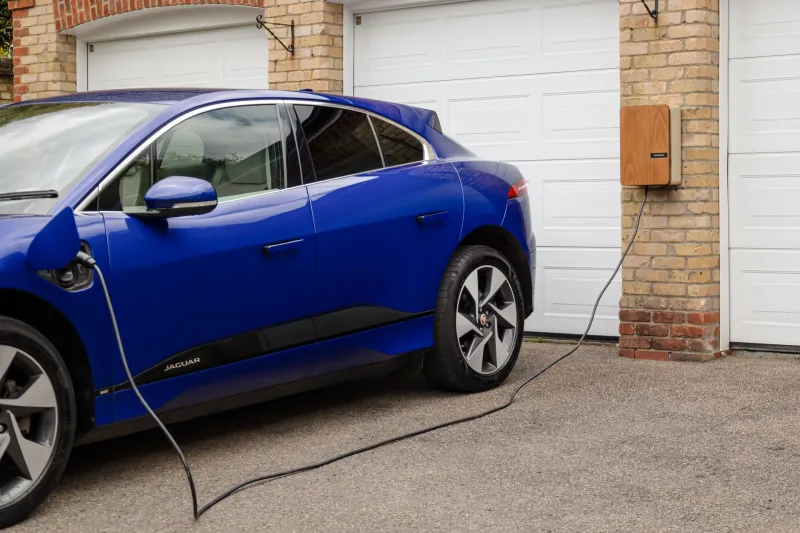
A home EV charger feels like a simple thing when it’s yours: a box on the wall, a cable, an app, and the quiet smugness of waking up to a full battery. When you sell the house, though, it stops being your private charging ritual and becomes part of the property package. That means questions about fixtures, electrical certificates and whether the buyer actually wants it.
The honest answer is that a wallbox is rarely a dealmaker on its own. It can be a pleasant bonus for the right buyer, a mild irritation for someone with no EV, and a genuine liability if the installation paperwork is missing. The trick is to treat it like any other fixed electrical item — not like a magic feature that adds thousands to the asking price.
Is it a fixture or a fitting?
In England and Wales, the usual rule is that something fixed to the property and wired into the electrical system is likely to be a fixture. A wall-mounted chargepoint is bolted to the wall, connected to its own circuit and often has a dedicated isolator. That points towards fixture territory.
But property sales are not decided by general rules alone. They are decided by the contract and the fixtures and fittings form — usually the TA10 — where seller and buyer list what stays and what goes. If you want to take the charger with you, say so clearly and early. If it stays, put it in writing as included. Do not leave it to a vague chat with the estate agent.
Scotland uses a different conveyancing system, but the principle is similar: be explicit. Ambiguity is how a nice little bonus turns into a post-survey argument.
What buyers and solicitors actually ask for
A buyer’s solicitor is not usually interested in how clever your charging schedule is. They are interested in whether the installation is safe, compliant and properly documented. Expect questions about the electrical certificate, the installer, and any building regulations notification.
Useful paperwork includes the original installation certificate — an Electrical Installation Certificate or a Minor Electrical Installation Works Certificate, depending on the job — plus the installer’s invoice, warranty details and any notification to the distribution network operator if one was required. If the charger was installed as part of a grant-funded scheme, dig out the terms too. Some schemes have conditions that run with the equipment.
Part P of the Building Regulations matters in England and Wales. Not every chargepoint job is notifiable, but if yours was, you want the building regulations compliance certificate or the installer’s self-certification details. A missing certificate does not automatically mean the charger is dangerous, but it does give the buyer a reason to ask for money off or walk away from a muddle.
The app, the account and the awkward handover
Smart chargers are not fully handed over with a set of keys. Many have an app account tied to the original owner, and some manufacturers or installers need to reassign the unit properly. If you leave the charger behind, sort out the transfer before completion day. The buyer should not be stuck with a box that only your phone can control.
Also check the settings. If the charger has load management, off-peak schedules or a current limit configured for your house, make a note of it. A buyer with a different electricity tariff or a different supply capacity may need those settings changed. That is not a reason to panic, but it is a reason to leave a one-page handover note.
Does it add value?
A charger adds convenience, not a second bathroom. For a buyer who already runs an EV, it can make the house feel more usable and slightly more attractive than a similar property without one. For everyone else, it is a wall-mounted box they may never touch.
The value is mostly in the installed infrastructure: the cable route, the isolator, the earthing arrangement and the fact that someone has already done the work. The hardware itself is not worth much second-hand. So do not price your house as though the wallbox is a premium upgrade. A few hundred pounds of perceived convenience is realistic; a grand or two is not.
If you want to take it with you
Removing a charger is not just a matter of unscrewing it and stuffing it in a box. The circuit needs to be isolated safely, the cable route made good, and any holes or trunking dealt with. Depending on the installation, that can cost a few hundred pounds and may need an electrician.
You also need to be clear with the buyer. If the charger is excluded from the sale, say so in the fixtures and fittings form and explain what will be left behind — an isolator, a cable, a bracket, or a neat blanking plate. A buyer who turns up to find dangling cable and a hole in the wall will not be impressed.
When the charger becomes a liability
A faulty charger is worse than no charger. If it trips the consumer unit, has a damaged tethered cable, or was installed with questionable earthing, the buyer’s electrician may flag it. At that point you are not negotiating over a bonus feature; you are negotiating over a defect.
Get any problems fixed before listing, or disclose them and adjust the price. Do not rely on the buyer never noticing. EV buyers are increasingly likely to ask for a charging demonstration, and a surveyor or electrician may well take a look at the consumer unit and the charger’s isolation arrangements.
A sensible pre-sale routine
Before the first viewing, gather the charger paperwork in one folder. Photograph the installation, note the installer and warranty details, and write down how the app account can be transferred. Decide whether the charger is included or excluded, and tell your solicitor and estate agent in writing.
On the fixtures and fittings form, be precise. “EV charger included” is better than “charging point to remain”. If you are taking it, say what will be made good. If it is staying, offer a short handover — ten minutes at the property or a video call — so the buyer knows how to use it safely.
A wallbox is a useful thing, but it is not a personality. Treat it as part of the house’s electrical story, document it properly, and negotiate without romance. That way the charger helps the sale rather than becoming the bit everyone wishes had been left out of the deed.