Battery, Paperwork, Pixels: A Used EV Inspection Routine That Catches the Costly Stuff

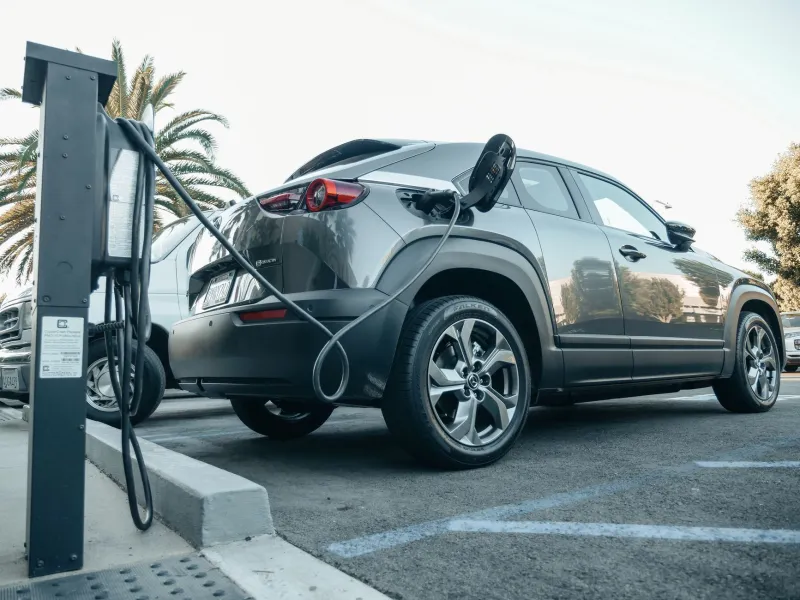
Photo: Kevin Rungai, CC BY-SA 4.0, via Wikimedia Commons
Used electric cars have finally stopped being a novelty purchase and started being a normal one. Three-year-old family hatchbacks are sitting on forecourts at prices that would have looked like typos in 2022, and the temptation to just pick the tidiest one and get on with it is real. The problem is that the expensive faults in an EV rarely show up in the photos, and the things that protect you are mostly pieces of paper and screens rather than anything under the bonnet.
So here is the routine. Work through it in order — most of it costs nothing but an hour of your time and a few awkward questions.
Start with the battery, not the bodywork
The single most useful number is state of health (SoH) — a measure of how much usable capacity the pack has left compared with new. Ask for a report from an independent battery diagnostics firm, which typically runs somewhere in the region of 30 to 80 pounds depending on how deep you want them to go. Plenty of dealers will supply one, but check the date on it and whether it is raw data or a screenshot of an app with a nice green tick on it.
While you are there, look at cell balance and rapid-charging history. A car that has done 40,000 miles mostly on a home charger and the occasional motorway splash looks very different from one that was rapid-charged twice a day. Neither is automatically a no, but it changes what you should pay. A wildly out-of-balance pack, or a big sudden drop in reported capacity, is a walk-away in my book.
Find out what warranty is left — and who it belongs to
Most manufacturers offer around eight years or 100,000 miles of cover on the traction battery, usually with a threshold (commonly 70 per cent capacity) before a claim is valid. The important detail is whether that cover follows the car rather than the first owner. It normally does, but get it confirmed in writing along with any conditions, such as servicing having to be done at a franchised dealer.
Dealer-specific extended warranties are a different animal. They can be short, they can be riddled with exclusions, and they often do not transfer. If the sales pitch hinges on a warranty, read the terms before you sign anything.
Software, recalls and the app handover
Two minutes on the government's recall checker using the registration will tell you whether anything safety-related is outstanding. Some recalls need a dealer visit to complete, and some are software fixes that a previous owner simply never bothered with.
Then there is the app. If the car's connected features — preconditioning, charge scheduling, remote locking — depend on a manufacturer account, ask how ownership transfer works. It is usually straightforward and occasionally a nightmare involving a previous keeper who has vanished. Worth sorting before you hand over money rather than after.
Ex-fleet and private sales carry different risks
Ex-fleet cars are usually high mileage but well documented, and they often come with a full service history and a fleet manager who kept records. The trade-off is that they may have been rapid-charged hard, used by lots of drivers, and de-fleeted with cosmetic repairs that hide a scuff or two. None of that is disqualifying — you just need to price it in.
Private sales are cheaper on paper and offer far less comeback. Always run a history check for outstanding finance, write-offs and mileage discrepancies, and never buy a car with a charging fault you have not seen it charge through. If the seller will not let a garage inspect it, that is your answer.
The questions dealers rarely volunteer answers to
Ask all of these out loud, and be suspicious of vague answers:
- How many previous keepers, and was it a lease or rental car?
- Has the battery ever been repaired or replaced, and by whom?
- Was it used for private hire or ride-hailing? This affects insurance and wear.
- What real-world efficiency does the trip computer show over the last few thousand miles? Miles per kWh tells you far more than the official WLTP figure.
- Are both charging cables included? Replacements run from about 150 to 300 pounds, so it is not a trivial omission.
- Does it have a heat pump? It makes a noticeable difference to winter efficiency on many models.
- How much tread is left on the tyres, and are they the correct EV-rated ones?
The test drive that actually tells you something
Arrive when the car is cold, not pre-warmed and pre-cooled. Watch the consumption figure as you pull away, then use the heater and air conditioning properly. Check that regenerative braking feels consistent, listen for suspension knocks over speed humps — these cars are heavy and bushings earn their keep — and inspect the charging port for bent pins, water ingress or a stiff flap.
If at all possible, plug it in. An AC charge plus a short DC session tells you more than any spec sheet. If the dealer cannot facilitate that, that fact alone is information.
Run the numbers like an owner, not a buyer
Insurance often sits a rung or two higher than the petrol equivalent, tyres wear faster because of the weight, and since April 2025 electric cars have paid VED like everyone else. Higher-priced cars registered after that date can also attract the expensive car supplement, so check the list price rather than the discounted price on the windscreen.
Finally, guard against the depreciation trap: look at what a two-year-old version of the same model is selling for today, then imagine your car three years older than that. If the answer makes you wince, you may be buying the wrong model rather than the wrong example.
The walk-away list
No battery report and no willingness to get one. Outstanding finance. A pack with odd cell readings. A car that will not accept a charge. A seller who cannot explain the service history. Any of those, and there are hundreds of other used EVs out there — the bargains are real, but they only stay bargains if you check the boring bits first.